







Search Results for: Kona Coffee Grades

A Complete Guide to Hawaiian Kona Coffee: Growing Environment, Regional Grades, History, and Queen Estate Flavor
Hawaiian Kona coffee is hailed as one of the world's top specialty coffees. Its scarce yield and high price have not stopped countless coffee lovers from flocking to it. Front Street Coffee has specially imported authentic Hawaiian Kona coffee beans. This article will provide a comprehensive interpretation of the unique charm of Hawaiian coffee, from growing conditions, producing regions, historical origins, and grading standards to the cupping performance of Queen Estate. Whether you are a beginner just getting into specialty coffee or a seasoned enthusiast looking for your next favorite, this in-depth review of Hawaiian Kona coffee is worth reading. [more…]
Flavor, Grade Classification, and Recommended Famous Brands of Hawaiian Kona Coffee Beans Typica Variety
Kona coffee and Blue Mountain coffee were once known as "one king and one queen," representing the pinnacle of island-style specialty coffee. Although the growing elevation in Hawaii's Kona region is mostly between 200 and 700 meters, unable to reach the 1,200-meter standard often cited for specialty coffee, its unique terroir and strict grading system have kept Kona coffee beans firmly among the top-tier coffees. This article will systematically review the historical origins of Kona coffee, the localization process of the Typica variety, and the five grades of Type 1 standard beans, with a focus on introducing the Queen Estate Extra Fancy-grade Kona coffee selected by FrontStreet Coffee, including its region information, roasting parameters, and brewing suggestions, to give you a comprehensive understanding of this Hawaiian treasure with elegant floral aromas and a smooth mouthfeel. [more…]
A Complete Guide to Hawaiian Kona Coffee Beans: Origin, Growing History, Flavor Profile, and Grading
Hawaiian Kona coffee is the only top-grade coffee variety produced in the United States. Grown on the volcanic slopes of the Kona region on the Big Island of Hawaii, it is famous for its plump and lustrous appearance, smooth and aromatic taste, and balanced acidity. Authentic Kona coffee has limited output, is strictly managed, and is expensive, and most "Kona blends" on the market contain very little of it. This article provides a detailed introduction to Kona coffee's growing environment, flavor characteristics, cultivation model, production grades, and historical development, giving you a comprehensive understanding of this coffee hailed as a "rare treasure of the world." [more…]
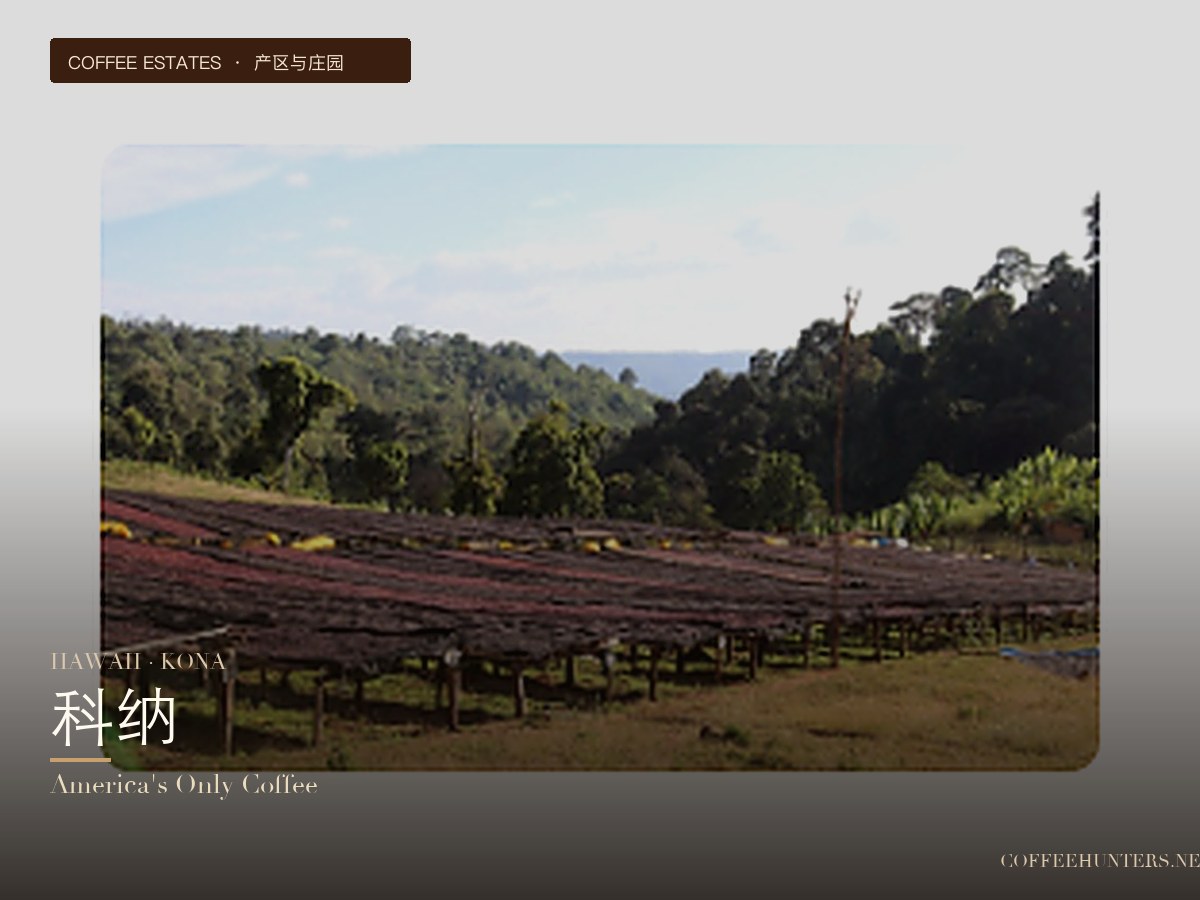
Hawaii·Kona: The Only American-Grown Coffee in the World
Hawaiian Kona is the only specialty coffee grown in the United States and one of the most expensive island coffees in the world. This article takes you through Kona's geography, its strict grading system, and its distinctive flavor. [more…]
Jamaica Blue Mountain and Hawaiian Kona: From Terroir to Grading and Brewing, Understanding the True Faces of the King and Queen of Coffee
Blue Mountain and Kona—one hailed as the King of Coffee, the other as the Queen of Coffee. Both are representatives of the Typica variety, yet due to differences in terroir, historical context, and processing methods, they present distinctly different flavor profiles. From the perspective of Front Street, this article systematically examines the origin history, grading system, and flavor characteristics of Jamaican Blue Mountain, while also delving into the growing regions, variety traits, and grading standards of Hawaiian Kona. Combined with specific brewing methods for Front Street Blue Mountain No. 1 and Hawaiian Kona, it helps coffee enthusiasts fully understand the true value of these two legendary coffees. [more…]
Flavor and Taste Comparison of Major Coffee Bean Producing Countries Worldwide: A Full Analysis of Regional Characteristics from Brazil to Kenya
The flavor code of coffee is often hidden in the land where it grows. From Brazil's balanced blends to Colombia's rich aroma, from Hawaii Kona's wine-like notes to Kenya's intense acidity, each producing region gives coffee beans a unique character. This article systematically reviews the output, quality, taste characteristics, and grading methods of the world's major coffee-producing countries, and extends to the overall styles of major regions such as Central America, South America, Africa, and Asia. At the same time, the "Front Street" brand recommendations and product information mentioned in the article will also be fully retained, providing coffee lovers with a practical flavor map. [more…]

Hawaiian Kona Coffee Bean Flavor Characteristics and Origins: Why a Low-Altitude Region Became a Specialty Coffee Legend
Altitude is often regarded as an important yardstick for measuring coffee quality, but Hawaiian Kona coffee breaks this conventional wisdom with its actual performance. As the only coffee-producing region located in a developed country, Hawaii relies on its unique island climate, fertile volcanic soil, and meticulous manual management to cultivate exceptional Kona coffee under conditions where the altitude is not particularly prominent. In this article, Front Street Coffee will take you through the introduction history of Kona coffee, help you understand the distribution of Hawaii's various producing regions, analyze the characteristics of the Typica variety, and explain in detail Kona coffee's flavor characteristics, grading system, processing methods, and brewing suggestions, exploring together the charm of this coffee known as the "Queen of Low-Altitude Coffee." [more…]

Coffee Legend on a Volcanic Island: A Full Analysis of the Hawaii Kona Region's Terroir, Typica Variety, and Brewing
Hawaiian Kona coffee is a name that cannot be overlooked on the global specialty coffee map. Although it is not grown at a particularly high elevation, thanks to its volcanic rock soil, gentle sea breezes and meticulous manual craftsmanship, Kona still produces world-class quality coffee beans. Front Street Coffee Hawaiian Kona Coffee is medium-roasted, revealing the sweet aromas of cashew, milk peanut, mulberry and tropical fruit, with a warm, clear body and bright, elegant acidity. This article will comprehensively sort through the origins of Kona coffee, the distribution of producing regions on Maui and the Big Island, the characteristics of the Typica variety, the washed processing method and the grading standards, and will also include Front Street Coffee's cupping data and five brewing methods—Hario V60, siphon, AeroPress, French press and KONO—to take you deeper into this coffee bean hailed as "the most beautiful-looking coffee bean in the world." [more…]
Where Does the Caramel Sweetness Come From? A Full Analysis of Hawaiian Kona Coffee Bean Cultivation, Processing, and Roasting
The caramel-like sweetness tasted in coffee is not the result of added sweeteners, but rather the combined effect of the growing environment, fruit ripeness, and roasting process. This article will guide you through the principles behind the formation of caramel-flavored coffee beans and recommend two coffees suited to home brewing equipment: Front Street Dark Cocoa Blend and Front Street Golden Mandheling SOE. It will also take an in-depth look at Hawaii Kona coffee, the only coffee-producing region in the United States—its terroir conditions, grading system, and processing methods—as well as the malt, mulberry, and caramel sweetness brought about by Front Street Kona coffee's washed and natural drying processes. [more…]
An Analysis of Hawaiian Kona Coffee Flavor Characteristics and a Guide to Pour-Over Brewing Parameters
Hawaiian Kona coffee is the only top-tier coffee variety produced on American soil, renowned worldwide for its plump and lustrous appearance, balanced sweetness and acidity, and nutty aroma. It is grown in the fertile volcanic ash soil on the slopes of Mauna Loa, with scarce yields and high prices. This article will comprehensively introduce Kona coffee from multiple perspectives including flavor and mouthfeel, growing region geography, climatic conditions, and cultivation patterns, and share a pour-over brewing method suitable for home use, helping coffee enthusiasts better savor this coffee hailed as a "rare treasure of the world." [more…]
A Complete Guide to Hawaiian Kona Coffee Beans: Terroir, History, and Grading and Processing Methods Explained
Kona coffee comes from the western coast of the Big Island of Hawaii in the United States. It is as famous as Jamaican Blue Mountain coffee, and together they have long been praised as "one king and one queen." The unique island climate and volcanic soil here allow coffee to grow full and flavorful even at the relatively low elevation of 200 to 800 meters. From coffee first being introduced in 1817, to missionaries promoting large-scale cultivation, to Guatemalan Typica replacing Brazilian varieties, Kona coffee endured pests and waves of industry change before finally achieving its current specialty status. Its green beans are known for their plump, jade-like appearance, and strict grading standards and hand sorting ensure quality. This article will systematically introduce the terroir conditions, historical development, green bean grading, and washed processing method of the Kona producing region, and share Front Street Coffee's roasting and brewing suggestions, giving you a comprehensive understanding of this world-class specialty coffee. [more…]
Hawaiian Kona Coffee Beans: Origin, Grading, and Pour-Over Flavor Explained
Hawaiian Kona coffee, though grown on low-latitude islands at elevations of only 300-1,100 meters, is regarded as a classic in specialty coffee thanks to its unique terroir. This article traces the history of Kona coffee from its introduction to Hawaii in 1817 through the industry's many ups and downs, introduces the distribution of the current 12 coffee-growing districts, and focuses on Queen Estate's output and the five-tier classification system for Type 1 standard beans. The article also provides specific brewing recipes for Front Street Coffee's Kona beans, including a KONO dripper, water temperature of 88-89°C, a 1:15 coffee-to-water ratio, and a three-pour extraction method, helping enthusiasts recreate at home the pure flavors interwoven with walnut, nut, and caramel notes. [more…]
A Comprehensive Analysis of Hawaiian Kona Coffee: Growing Environment, History, Grading Standards, and Queen Estate Flavor
Hawaiian Kona coffee is globally recognized as one of the top specialty coffees, rare in yield and expensive, yet it still draws countless coffee enthusiasts. Hawaii, the only coffee-growing state in the United States, nurtures the uniquely flavored Kona coffee thanks to its volcanic soil, island climate, and exceptional elevation conditions. Front Street Coffee has specially introduced authentic Hawaiian Kona coffee beans from the Kona Queen Estate. This article will provide a comprehensive interpretation of Kona coffee's unique charm, from growing conditions, production region distribution, historical context, grading system to processing methods and cup tasting flavors, taking you deep into the past and present of this world-class coffee. [more…]
A Complete Guide to Hawaiian Kona Coffee Beans: Origin Story, Grading Standards, and Pour-Over Flavor Profile
Kona coffee is produced on the Big Island of Hawaii. Although it is grown at elevations of only 300 to 1,100 meters, which does not meet the usual altitude standards for specialty coffee, it is celebrated as one of the world's top coffees thanks to its distinctive flavor. This article reviews the introduction history of Hawaiian coffee, the industry's ups and downs, its washed processing method, and the grading system for Kona beans, and also introduces the Typica beans from Queen's Estate selected by Front Street Coffee. From variety and altitude to brewing parameters and flavor description, it fully presents the charm of this island coffee and is suitable for coffee lovers interested in pour-over brewing and origin stories. [more…]
A Comprehensive Review of the World's Top Ten Famous Coffee Regions: Flavor Profiles, Grading Systems, and Representative Bean Varieties
Faced with a dazzling array of coffee beans, which producing regions truly deserve a try? This article systematically lays out the world's ten most representative single-origin coffees—from Colombia Supremo to Panama Geisha—covering each region's flavor characteristics, grading standards, processing methods, and harvest seasons. Whether you're a beginner just getting into specialty coffee or a seasoned drinker looking for your next daily bag, this guide will help you more clearly understand the flavor direction you prefer. The article also includes recommendations for corresponding Front Street Coffee products, making it easy to compare and choose. [more…]
Top Ten Coffees in the World | Which brand of coffee beans tastes best? Which single-origin beans have high reputation and good quality? Which coffee beans can coffee beginners start with?
For more specialty coffee knowledge, please follow: Front Street Coffee (Frontsteet Coffee). At Front Street Coffee (FrontStreet Coffee), the coffee beans produced by the physical stores offer over 50 different coffee beans from various origins, satisfying different tastes. [more…]
An In-Depth Analysis of Hawaiian Kona Coffee: Terroir, History, and the Flavors of Queen's Estate
Hawaiian Kona coffee is hailed as one of the world's top treasures. Its output is scarce and its price is high, yet it still captivates countless coffee lovers. This time, Front Street Coffee has brought authentic Hawaiian Kona coffee beans into its shop and provides a comprehensive review of this coffee's origins and development, from the growing conditions and historical background of the production region to the grading standards and the varieties and processing methods of Queen Estate. The article also records in detail the flavor performance of Front Street after cupping and brewing, taking you deeper into why Kona coffee possesses such a uniquely sweet, rich, smooth, and alluring charm. [more…]
Where Does the Caramel Flavor in Coffee Beans Come From? An Analysis of Caramel-Forward Bean Varieties from Brands Like Front Street Coffee and Key Brewing Points
Many people who taste a coffee with caramel sweetness mistakenly assume that syrup has been added, but this sweet aroma comes entirely from the coffee beans themselves—shaped jointly by the growing environment, fruit ripeness, and roasting technique. This article breaks down the logic behind how caramel flavor forms, from origin terroir and processing methods to roasting curves, and recommends representative caramel-toned coffees such as Front Street Dark Cocoa Blend, Front Street PWN Golden Mandheling SOE, and Front Street Kona, while explaining the brewing scenarios each suits, helping you reliably recreate that aromatic cup of caramel-sweet coffee at home. [more…]
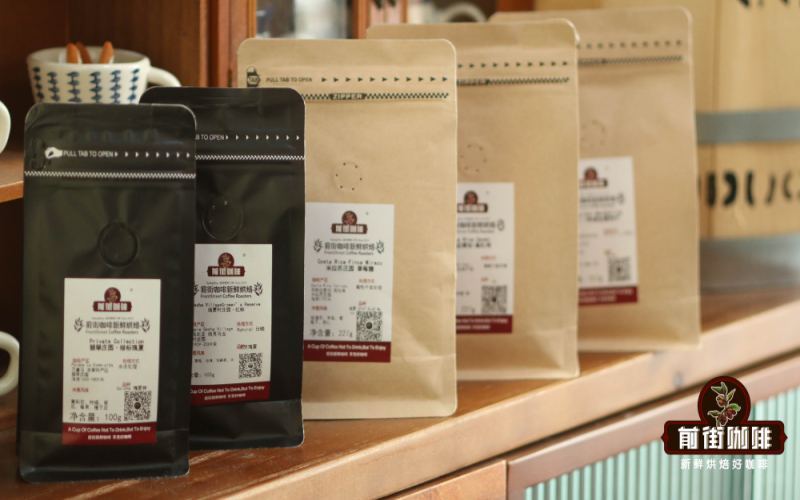
The Complete Guide to Hawaiian Kona Coffee: Volcanic Soil Flavor, Grading System, and Comparison of Five Brewing Methods
Hawaii is the only American state that produces coffee. Kona coffee, with its volcanic rock soil, family farming tradition, and unique flavor, stands alongside Jamaica Blue Mountain as a byword for premium coffee. This article begins with the historical origins of Hawaiian coffee and introduces the natural environment of the Kona growing region, its grading system, the Typica variety of Queen's Estate, and Front Street Coffee's roasting recommendations. We have also put together a flavor comparison of five brewing methods—V60, siphon, AeroPress, French press, and KONO dripper—to help you find the extraction method best suited to Kona coffee. [more…]
Hawaiian Kona Coffee: Cultivation History and Flavor Characteristics, with a Front Street Coffee Queen Estate Pour-Over Parameter Guide
Kona coffee is produced on the Big Island of Hawaii, the only U.S. state that commercially cultivates coffee, with an annual output exceeding 8 million pounds. Volcanic soil, island climate, and the family-farm model together shape its signature flavor: smooth and aromatic, with nutty sweetness and balanced acidity. This article traces the development of Kona coffee from the introduction of Typica in the 19th century to Queen's Estate winning awards, analyzes its five-level grading system and manual harvesting tradition, and fully documents Front Street Coffee's brewing experiments using five devices—V60, siphon, AeroPress, French press, and KONO—with roasting curves and flavor descriptions, providing coffee enthusiasts with a systematic guide to Kona coffee. [more…]